


Is Your Double-Hung Window Sash Worth Replacing? Here’s What Chicago Homeowners Need to Know
Learning how to replace double hung window sash panels is often the fastest, least disruptive fix when your frame is still solid but your glass is foggy, your wood is rotting, or your window just won’t stay up.
Here’s a quick overview of the process:
- Measure the existing sash width and height (take three measurements each direction; use the smallest)
- Order a compatible replacement sash kit for your window brand or a universal kit
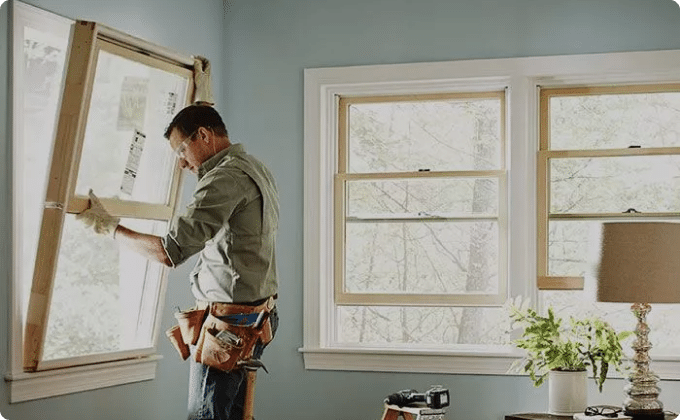
- Remove the old sashes by pressing the tilt latches, rotating the sash inward, and lifting the pivot pins out of the balance shoes
- Prepare the frame — clean tracks, fill old balance holes, and inspect for rot or damage
- Install new jamb liners and balance systems into the existing frame
- Seat the new upper sash first, then the lower sash — insert pivot pins, rotate upright, and confirm tilt latches click into place
- Test both sashes through their full range of motion and verify the locks engage cleanly
Most modern tilt-in double-hung windows make this a manageable DIY project. Once you understand the mechanism, each window typically takes 20 to 40 minutes.
That said, sash replacement isn’t always the right call. If your frame is warped, water-damaged, or out of square, a full window replacement will serve you better — especially in Chicago’s harsh winters, where a failing frame can drive up energy bills and let in drafts season after season.
I’m Steve Mlynek, CEO and founder of HomeBuild Windows, Doors & Siding, and over my 20+ years working with Chicago-area homeowners I’ve seen how knowing how to replace double hung window sash panels — and when not to — saves homeowners significant time and frustration. In the sections below, I’ll walk you through everything from measuring and ordering to installation and long-term maintenance, so you can approach this project with confidence.
How to replace double hung window sash terms to learn:
Understanding Double-Hung Window Sashes and Replacement Options
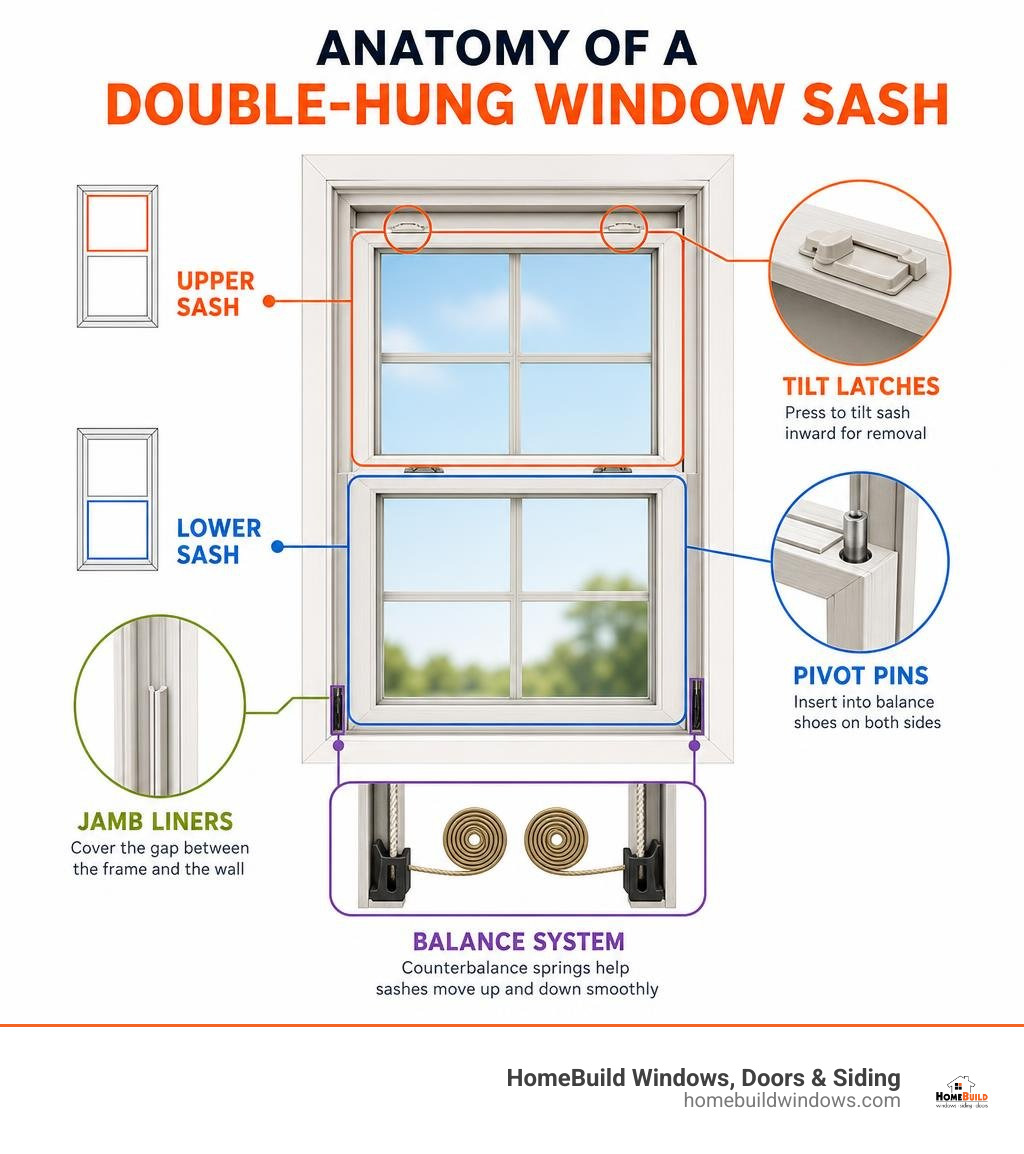
To successfully tackle this project, you first need to understand the anatomy of your window. A double-hung window features two operable, moving panels known as sashes: the upper sash and the lower sash. These panels slide vertically within the window frame, guided by vinyl compression jamb liners and supported by a balance system that counteracts the weight of the glass.
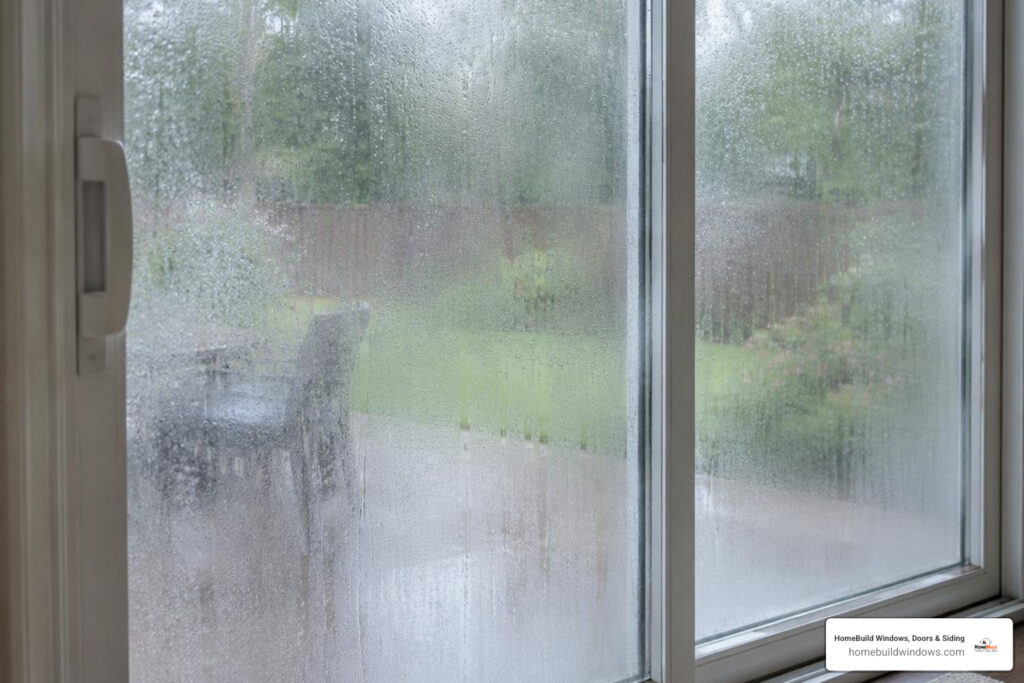
Over time, exposure to severe Midwest weather can compromise these components. Common issues include wood rot along the bottom rail, foggy glass caused by a failed insulating seal, or drafty windows that allow cold winter winds to sweep into your home. When these problems are localized to the sashes themselves, replacing only the moving parts is a highly efficient way to restore performance. To understand how these components interact with your overall window system, explore our detailed Double Hung Windows Guide.
When to Choose a Sash Kit vs. How to Replace Double Hung Window Sash Entirely
Choosing between a sash replacement kit and a full window replacement depends entirely on the structural integrity of your existing frame.
- Sash Replacement Kit: If your wood or vinyl frame is square, plumb, and structurally sound with no rot or water damage, a sash replacement kit is the ideal choice. These kits allow you to keep your existing frame, interior trim, and exterior casing intact. This preserves the architectural character of your home while upgrading the moving parts to modern standards.
- Pocket Replacement: A pocket replacement involves inserting an entirely new, fully assembled window unit into the existing frame. This is a great middle ground when the sashes are failing and you want to upgrade the entire system without disturbing your interior trim.
- Full-Frame Replacement: If the window frame itself is rotted, warped, out of square, or showing signs of water intrusion behind the drywall, you must opt for a full-frame replacement. Installing new sashes into a compromised frame will not resolve drafts or structural leaks. For more guidance on making this determination, read our guide on Double Hung Window Replacement.
Measuring and Preparing for Your Sash Replacement Project
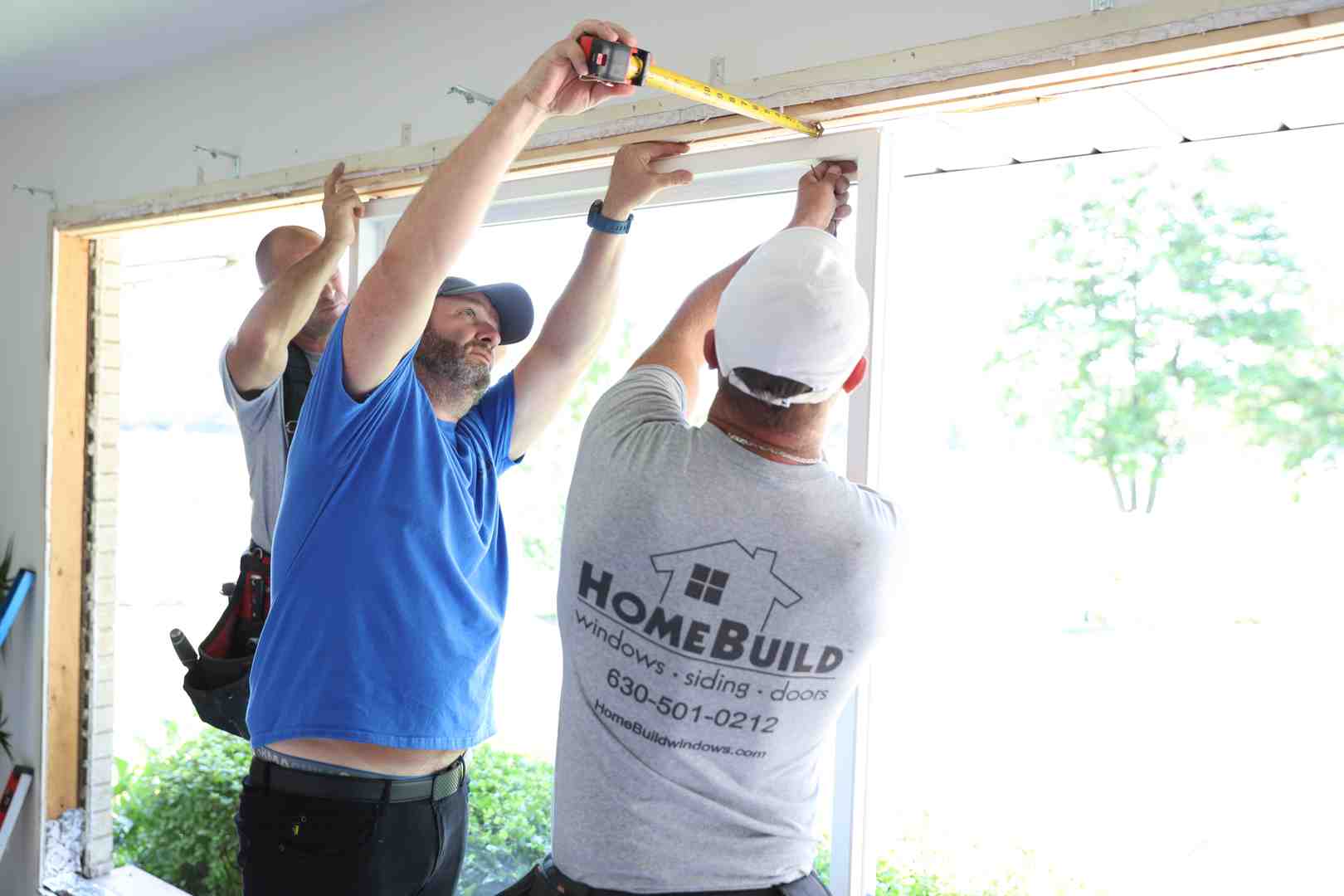
Accurate measurements are the absolute key to a successful sash replacement. Because replacement sashes are manufactured to fit snugly within your existing frame, even a minor measurement error can prevent the window from operating or sealing correctly.
To measure your window:
- Measure the Width: Use a high-quality measuring tape to measure the horizontal distance between the inside faces of the side jambs. Take this measurement at the bottom, middle, and top of the window frame. Note the smallest of the three measurements.
- Measure the Height: Measure the vertical distance from the high point of the sloped sill to the head jamb at the top. Take this measurement on the left side, center, and right side. Note the smallest measurement.
- Check for Squareness: Measure diagonally from the top-left corner of the frame to the bottom-right corner, and then from the top-right corner to the bottom-left corner. If the two diagonal measurements differ by more than 1/8 inch for small windows (or 1/4 inch for windows larger than 20 square feet), the frame is out of square. In this scenario, a standard sash kit may not operate smoothly, and a full-frame replacement is highly recommended.
Preparing Your Frame for How to Replace Double Hung Window Sash Projects
Before ordering your replacement kit, perform a thorough frame inspection. Check the corners of the sill and jambs for soft, rotted wood using a flathead screwdriver. If you detect rot, address those repairs first.
Clean the tracks thoroughly by vacuuming out dirt, dust, and debris. If you are working on an older home built before 1978, take precautions regarding potential lead paint. Always wear appropriate safety gear, including safety glasses, heavy-duty gloves, and a dust mask when scraping or sanding old wood surfaces.
Step-by-Step Guide: How to Replace Double Hung Window Sash
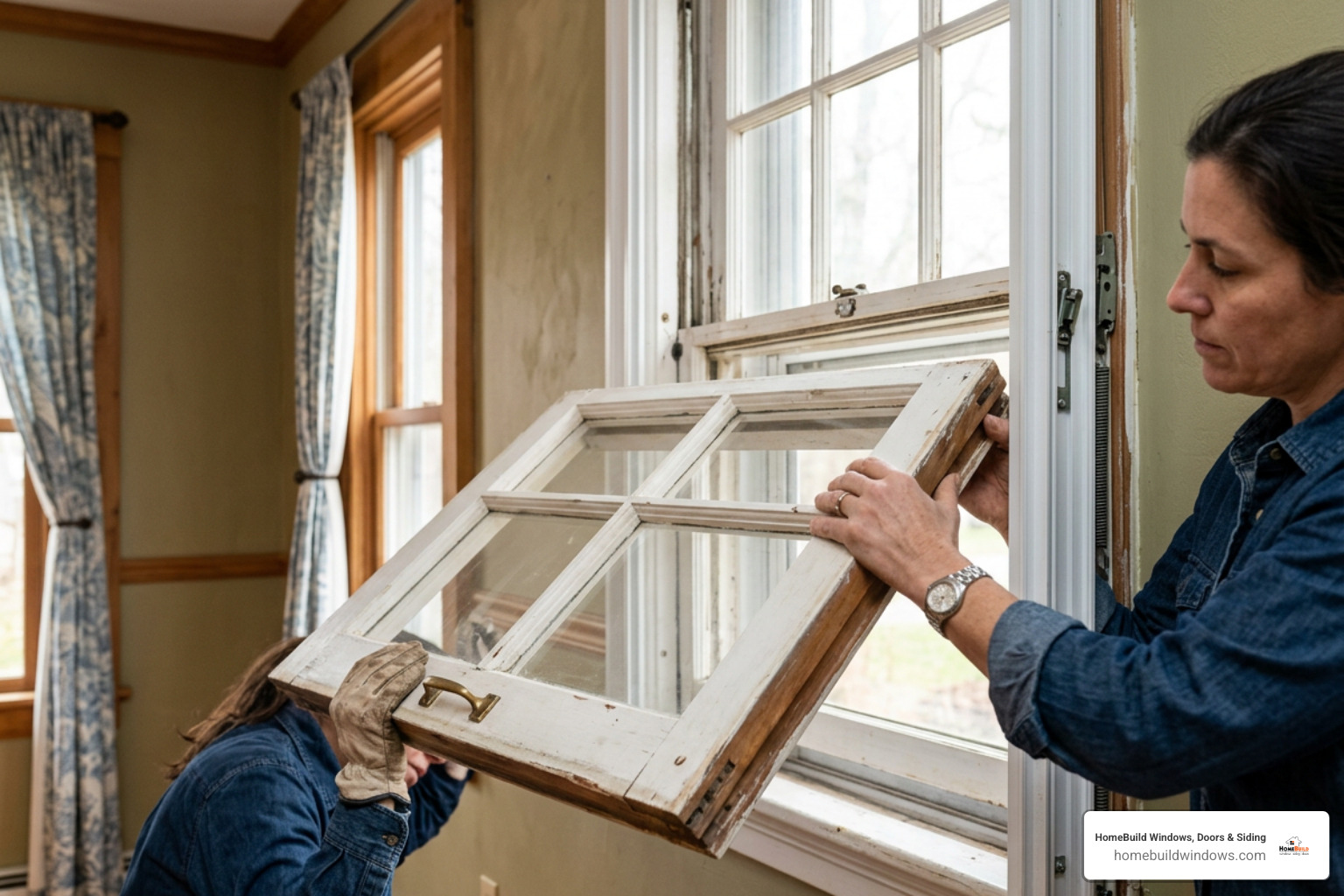
Replacing your sashes is a straightforward process once you familiarize yourself with the hardware. Below is the step-by-step method to safely remove your old sashes and install a new sash replacement kit.
Required Tools and Materials
- New sash replacement kit (including upper and lower sashes, jamb liners, and balance systems)
- Utility knife
- Flathead and Phillips screwdrivers
- Pry bar (for older wood stops)
- Hammer
- Safety glasses and gloves
- Silicone-based lubricant
- Caulk and caulking gun
For a visual overview of how these tools are utilized in a professional setup, you can review the steps outlined by This Old House.
Removing the Old Upper and Lower Sashes
If your window has a modern tilt-in design, removal is incredibly simple. For older windows with rope-and-weight or spring balances, refer to the manufacturer-specific instructions on how to remove and reinsert a double hung window sash.
- Remove the Lower Sash First: Raise the bottom sash approximately 3 to 4 inches above the sill.
- Engage the Tilt Latches: Slide both tilt latches (located on the top rail of the sash) inward toward the center of the window.
- Tilt the Sash: Gently pull the top of the sash toward you until it is perpendicular (at a 90-degree angle) to the window frame.
- Disengage the Pivot Pins: Grasp the sash firmly by both sides. Lift one side upward about 2 inches to release the pivot pin from the balance shoe in the jamb liner, then lift the other side out. Set the sash aside safely on a soft towel or blanket.
- Remove the Upper Sash: Slide the upper sash down about 6 inches. Slide its tilt latches inward, tilt the sash toward you to a 90-degree angle, and lift the pivot pins out of the balance shoes in the same manner.
- Remove Old Hardware: If you are installing a complete sash replacement kit with new jamb liners, pry off the old interior window stops carefully using a utility knife to score the paint, then remove the old jamb liners and balance weights or springs.
Installing New Jamb Liners and Balance Systems
Modern sash replacement kits include new vinyl compression jamb liners containing pre-installed coil balance systems.
- Position the Jamb Bracket Clips: Install the metal jamb liner brackets according to the manufacturer’s specifications. Typically, these are positioned approximately 4 inches down from the head jamb and 4 inches above the sill. Secure them using galvanized screws.
- Snap the Jamb Liners in Place: Align the new vinyl jamb liners with the brackets. Press firmly until they snap securely into the clips. Ensure they are plumb and flush against the side jambs.
- Secure the Head Jamb Cover: If your kit includes a head jamb cover or parting stop, slide it into place at the top of the frame and secure it. Apply a thin bead of high-quality sealant along the edges to prevent air infiltration.
Installing and Securing the New Sashes
Always install the upper sash before the lower sash.
- Install the Upper Sash: Hold the new upper sash (the one with the lock keeper) perpendicular to the window frame.
- Align the Pivot Bars: Insert the pivot bars on the bottom corners of the sash into the balance shoes in the outer track of the jamb liners. Press down lightly to ensure the pivot pins are fully seated in the shoes.
- Tilt and Lock: Rotate the sash upward into the frame. Press firmly until you hear the tilt latches click into the jamb tracks. Slide the upper sash up to the top of the frame to ensure smooth movement.
- Install the Lower Sash: Hold the lower sash (the one with the sash lock) perpendicular to the frame. Insert its pivot bars into the balance shoes in the inner track of the jamb liners.
- Tilt and Test: Rotate the lower sash upward until the tilt latches engage. Slide the sash down to the sill, then raise and lower both sashes several times to verify they slide smoothly and lock tightly in the center.
Troubleshooting and Post-Installation Maintenance
Even with careful installation, minor adjustments are sometimes necessary to achieve a perfect seal and flawless operation. To see how these steps fit into a full-scale window installation project, check out our comprehensive Window Installation Guide.
Troubleshooting Tips After Learning How to Replace Double Hung Window Sash
- Stuck or Hard-to-Slide Sash: If a sash is difficult to move, the jamb liners may be compressed too tightly or the frame may be slightly out of square. Check to ensure the jamb liners are snapped completely into their brackets. Apply a light spray of dry silicone-based lubricant to the tracks to reduce friction.
- Misaligned Pivot Pins: If one side of the sash drops or sits unevenly, a pivot pin may have disengaged from its balance shoe. Remove the sash, inspect the balance shoes, and manually reset them to the same height using a flathead screwdriver before reinserting the sash.
- Sash Won’t Lock: If the sash lock does not align with the keeper, ensure both sashes are fully closed. The upper sash must be pushed completely up against the head jamb, and the lower sash must be resting firmly on the sill. If they are fully closed but still misaligned, check the frame for level and plumb.
Long-Term Maintenance for Replacement Sashes
To ensure your newly installed sashes perform beautifully for decades in the extreme Chicago climate, establish an annual maintenance routine:
- Clean the Tracks: Vacuum the jamb tracks twice a year to remove dust, pollen, and windblown debris.
- Lubricate Regularly: Apply a thin layer of dry silicone spray lubricant to the jamb tracks and balance mechanisms annually. Avoid wet lubricants like WD-40, which can attract dirt and clog the balance shoes.
- Inspect Weatherstripping: Check the bulb seals and weatherstripping along the top, bottom, and meeting rails. Replace any worn or damaged weatherstripping to prevent drafts during freezing winters.
- Maintain Wood Finishes: If you installed wood-interior sashes, paint or seal them every 3 to 5 years to protect the wood fibers from interior condensation.
Frequently Asked Questions About Sash Replacement
Can you replace just the sashes on old wood windows?
Yes! If your home features historic wood windows with traditional rope-and-pulley weight systems, you can upgrade them using a modern wood sash replacement kit. These kits feature vinyl compression jamb liners that fit inside your existing wood frame, replacing the old drafty pulley pockets. This allows you to preserve your original interior woodwork and exterior trim while gaining modern tilt-in convenience. If you prefer the look of classic wood protected by a durable exterior shield, explore our options for Clad Double Hung Windows.
Do replacement sashes improve home energy efficiency?
Absolutely. Replacing single-pane sashes with modern double-pane insulated glass sashes can reduce heat transfer through your windows by 40% to 50%. Opting for high-performance glass packages featuring Low-E coatings and argon gas fills helps keep your home warm during frigid Midwest winters and cool during hot humid summers, leading to lower utility bills.
Is sash replacement a manageable DIY project?
For modern tilt-in vinyl or wood windows, sash replacement is a highly manageable DIY project that takes less than an hour per window. However, if your existing window frames are out of square, show signs of structural rot, or require complex pocket frame adjustments, hiring a professional window contractor is the best way to ensure a weather-tight fit and long-term durability.
Conclusion
Mastering how to replace double hung window sash panels is an excellent, cost-effective way to restore draft protection, smooth operation, and energy efficiency to your home without the disruption of a full-frame tear-out.
When you need professional expertise, HomeBuild Windows, Doors & Siding is here to help. As a trusted, locally owned contractor with over 20 years of experience serving Chicago and the surrounding northwest suburbs, we specialize in delivering reliable, high-performance exterior solutions. Every project we undertake is owner-supervised, ensuring our signature high standards and complete accountability from start to finish.
We are proud of our industry-leading credentials, including our status as an Elite Platinum Pella® Certified Contractor and an Andersen Certified Contractor. Backed by our Angi Super Service Award, Nextdoor Neighborhood Faves recognition, and over 200 positive Google reviews, our fully licensed and insured team is ready to assist you.
Ready to upgrade your home’s comfort and curb appeal? Check out our replacement-window-buying-guide to explore your options, or contact us today to schedule your professional consultation!