

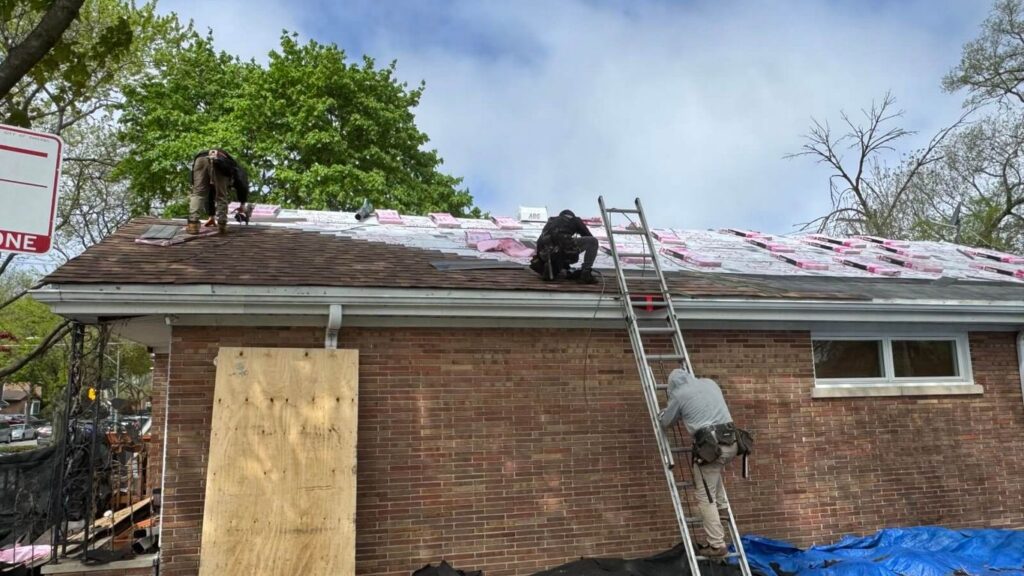
Your roof is a pretty big deal. It keeps the rain out, the heat in (or out, depending on the season), and generally protects everything you own. So, when something goes wrong, it’s not just a minor inconvenience. An emergency roof repair isn’t something anyone plans for, but knowing what to do can save you a lot of headaches and money. This guide is here to walk you through the important stuff, from spotting the signs that you need help fast to understanding the whole repair process.
Key Takeaways
- Watch out for signs like water stains, missing shingles, or active leaks, which all point to a need for emergency roof repair.
- An emergency repair is needed when roof issues pose an immediate threat to your home’s structure or safety.
- When choosing a contractor for emergency roof repair, check their availability, how quickly they can get to you, their experience, and make sure you get a clear price.
- The repair process usually starts with an inspection, followed by temporary fixes if needed, and then a permanent solution to secure your home.
- Regular check-ups and upkeep can help prevent small problems from turning into costly emergency repairs down the road.
When to Call for Emergency Roof Repair
Sometimes, roof problems can’t wait. Ignoring a damaged roof can lead to much bigger, more expensive issues down the line, not to mention potential damage to the inside of your home. Knowing the signs that mean you need immediate attention is key to protecting your property.
Signs of Immediate Roof Damage
Your roof is constantly exposed to the elements, and over time, things can go wrong. The most obvious sign is visible damage after a severe weather event. But even without a major storm, certain indicators suggest it’s time to call in the pros.
- Missing or Damaged Shingles: If you see shingles that are cracked, curled, or completely missing, especially after high winds or hail, it’s a clear sign of trouble. This leaves the underlayment exposed to water.
- Granule Loss: Shingles shed granules over time, but a significant amount of granules in your gutters or downspouts can indicate they’re wearing out and losing their protective qualities.
- Sagging Roof Deck: A visible dip or sag in your roofline can point to structural issues, possibly due to water damage or rot. This is a serious problem that needs immediate assessment.
- Granular Debris in Gutters: While some granule loss is normal, finding large amounts of shingle granules in your gutters is a sign that your shingles are aging and breaking down.
Sudden Leaks and Water Intrusion
This is probably the most alarming sign that your roof needs immediate attention. Water damage can spread quickly and cause a cascade of problems.
- Ceiling Stains: Those yellow or brown spots on your ceiling are a classic indicator of a leak. Don’t ignore them; they mean water is getting through your roof and into your attic or walls.
- Dripping Water: If you see water actively dripping from your ceiling or walls, it’s an emergency. This usually means the problem is significant and has already compromised your home’s structure.
- Mold or Mildew Growth: Dampness in your attic or on interior walls can lead to mold and mildew. This not only damages your home but can also be a health hazard.
- Peeling Paint or Wallpaper: Water seeping into your walls can cause paint to bubble and peel or wallpaper to detach. This is another sign that moisture is getting where it shouldn’t be.
Storm Damage Assessment
After a significant storm, it’s crucial to assess your roof’s condition. High winds can lift or tear shingles, and hail can cause dents or cracks. Even if you don’t see immediate leaks, hidden damage can develop over time. A quick inspection can help you identify potential problems before they become major issues. For instance, hail storms can cause cracks, dents, or holes in roofs, while strong winds may result in torn, peeling, or lifted shingles. It’s often a good idea to have a professional inspect your roof after severe weather, even if it looks okay from the ground. You can find more information on storm damage assessment by looking at resources online, perhaps even on platforms like [LinkedIn](https://www.angi.com/articles/did-storm-damage-your-roof.htm) where professionals share insights.
Don’t wait for a small drip to turn into a major flood. Early detection and prompt action are your best defenses against extensive and costly roof damage. A quick call to a qualified roofer can save you a lot of headaches and money in the long run.
What Constitutes an Emergency Roof Repair
Sometimes, a leaky faucet or a few loose shingles can wait. But other times, your roof is screaming for immediate attention. Knowing the difference between a minor issue and a full-blown emergency is key to protecting your home. An emergency roof repair isn’t just about a few missing shingles; it’s about situations where your roof’s ability to protect your home is seriously compromised.
Identifying Critical Roof Issues
So, what exactly makes a roof problem an emergency? It usually boils down to the potential for significant, rapid damage to your home’s structure and interior. Think about these scenarios:
- Sudden, heavy leaks: If you see water actively dripping into your home, especially after a storm or high winds, that’s a major red flag. This isn’t just a drip; it’s water getting past your defenses.
- Large areas of missing or damaged shingles: A few missing shingles might be annoying, but if a significant portion of your roof is exposed, rain and wind can cause widespread damage quickly.
- Structural damage: If you notice sagging in your roofline, or if parts of your ceiling are collapsing, this indicates a serious structural problem that needs immediate attention.
- Damage from falling trees or debris: Anything that causes a large hole or significant structural compromise to your roof is an emergency.
Urgency of Prompt Action
When you’re dealing with an emergency roof repair situation, time is really of the essence. Ignoring these problems, even for a day or two, can lead to a cascade of other issues. Water intrusion, for example, can quickly lead to mold growth, damaged insulation, and even compromised electrical systems. The longer you wait, the more expensive and extensive the repairs will become. For those in areas like Chicago, where weather can change rapidly, acting fast is even more important. It’s not just about fixing the roof; it’s about preventing further property damage.
Preventing Further Property Damage
Your roof is the first line of defense against the elements. When it fails, everything underneath is at risk. An emergency roof repair aims to stop the damage in its tracks. This might involve temporary measures, like tarps, to prevent further water intrusion, or immediate, more permanent fixes if possible. The goal is always to secure your home and prevent secondary damage to your interior walls, ceilings, and belongings. It’s about peace of mind, knowing that your home is protected. You can often find local contractors who specialize in emergency roof repair chicago, ready to respond quickly. Sometimes, people share their experiences or recommendations on platforms like Facebook, which can be a good starting point if you’re unsure who to call.
Choosing the Right Emergency Roofing Contractor
When your roof decides to throw a tantrum, especially in the middle of the night or during a storm, you need someone reliable to fix it. It’s not just about finding a roofer; it’s about finding the right roofer for an emergency situation. This means looking for a few key things that separate the pros from the rest.
Availability and Response Time
This is probably the most important factor when your roof is actively failing. You can’t wait days for a callback when water is pouring into your living room. You need a company that understands the urgency. Look for contractors who advertise 24/7 emergency services and have a proven track record of quick responses. A good sign is if they have a dedicated emergency line and can give you an estimated arrival time. Some companies even offer immediate tarping services to prevent further damage while they plan the full repair.
Here’s a quick way to gauge their readiness:
- Emergency Hotline: Do they have a direct number for urgent calls?
- Response Guarantee: Do they promise a specific response time (e.g., within 2 hours)?
- Local Presence: Are they based nearby, meaning they can get to you faster?
Credentials and Experience
Just because a company says they do emergency repairs doesn’t mean they’re qualified. You want someone who knows what they’re doing, especially when dealing with potentially dangerous situations or complex damage. Check if they are licensed, insured, and bonded. This protects you from liability if something goes wrong on your property. Ask about their experience with the specific type of damage you’re facing. A company that regularly handles storm damage, for instance, will be better equipped than one that primarily does routine maintenance. You can often find this information on their website or by asking directly. Prioritizing contractors with demonstrated expertise is a smart move.
Transparent Pricing and Estimates
Emergency repairs can be stressful enough without worrying about hidden fees. A reputable contractor will provide a clear, written estimate before starting any work, even for emergency situations. This estimate should break down the costs for labor, materials, and any other charges. Don’t be afraid to ask questions if something isn’t clear. While emergency pricing might be slightly higher due to the nature of the service, it should still be reasonable and explained upfront. Some companies might offer a free initial inspection and estimate, which is always a good sign.
When getting an estimate, look for:
- Detailed Breakdown: Costs for labor, materials, and disposal.
- No Hidden Fees: Everything should be laid out clearly.
- Written Agreement: A formal contract outlining the scope of work and payment terms.
It’s easy to feel rushed when your home is at risk, but taking a few minutes to vet your emergency roofer can save you a lot of headaches and money down the line. A little bit of research upfront can make all the difference.
The Emergency Roof Repair Process
Initial Inspection and Assessment
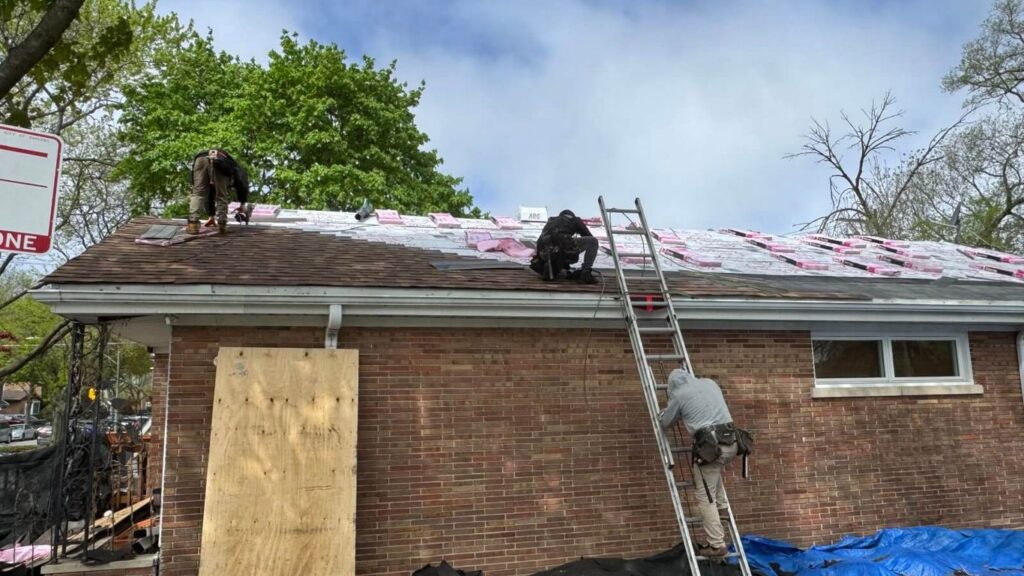
When you’ve got a roof emergency, the very first thing that happens is a thorough inspection. This isn’t just a quick look-see; it’s a detailed examination to figure out exactly what’s wrong and how bad it is. Professionals will check for things like missing shingles, damaged flashing around chimneys or vents, and any signs of water damage inside your attic. This step is super important because it sets the stage for everything else. You can’t fix what you don’t fully understand, right? For homeowners in the Chicagoland area looking for reliable help, finding a team that does a solid inspection is key. They’ll look at everything from the shingles to the underlying structure to get a clear picture of the damage. A professional inspection helps identify all the issues.
Temporary Fixes and Permanent Solutions
After the inspection, the team will talk to you about what needs to be done. Sometimes, a quick fix is needed to stop further damage right away, especially if it’s raining or snowing. This could mean putting up tarps or temporary patches. But the goal is always a permanent solution. This might involve replacing damaged shingles, repairing or replacing flashing, or even addressing structural issues if the damage is severe. The type of repair depends entirely on what they find during the inspection. For example, a few missing shingles might be a quick patch job, but a large hole from a fallen tree branch will need more extensive work.
Securing Your Home After Repair
Once the repairs are done, the job isn’t quite finished. The team will make sure your home is secure and protected. This includes cleaning up all debris, like old shingles, nails, and any other materials from the repair work. They’ll sweep your driveway and make sure the surrounding area is tidy. It’s about leaving your property in better shape than they found it. They’ll also go over any warranties or guarantees related to the work done, so you know what’s covered moving forward. This attention to detail is what makes a big difference after an emergency situation.
Preventative Measures for Roof Longevity
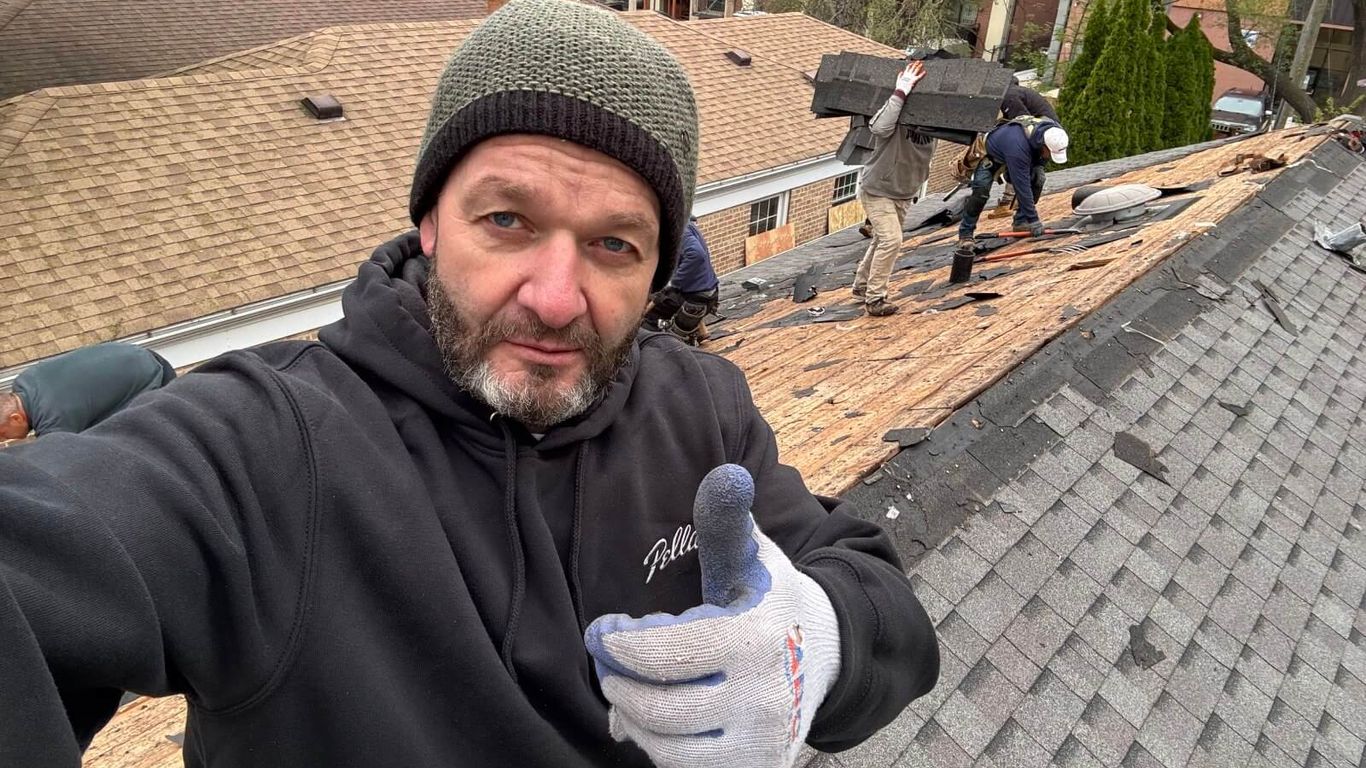
Taking care of your roof before problems pop up is way smarter than waiting for a leak to ruin your day. It’s like going to the dentist for check-ups instead of waiting for a toothache. A little bit of regular attention can save you a whole lot of headaches and cash down the road.
Regular Roof Inspections
Think of roof inspections as your roof’s annual physical. You want to catch things early, right? A professional inspection can spot issues you might miss, like cracked shingles, damaged flashing around chimneys, or clogged gutters. These folks know what to look for, from the attic to the very top.
- Frequency: Aim for at least one inspection per year, and definitely after any major storm.
- What they check: Shingles (for damage, curling, or missing pieces), flashing (around vents, chimneys, skylights), gutters (for blockages and proper drainage), and the overall condition of the roof deck (from the attic side if possible).
- Benefits: Catches small problems before they become big, expensive ones. Helps you plan for future maintenance or replacement.
Routine Maintenance and Cleaning
This is where you get hands-on, or hire someone to do it for you. Keeping your roof clean and clear of debris is super important. Leaves and gunk in your gutters can cause water to back up under your shingles, which is no good.
- Gutter Cleaning: Make sure your gutters are clear of leaves, twigs, and other junk. Clogged gutters can lead to water damage to your roof and foundation.
- Debris Removal: Keep the roof surface clear of fallen branches, leaves, and other debris that can trap moisture or damage shingles.
- Tree Trimming: Trim back any tree branches that are rubbing against your roof or hanging too low. They can cause physical damage and drop debris.
Addressing Minor Issues Promptly
See a loose shingle? Noticed a small patch of moss growing? Don’t just ignore it. That little problem can turn into a major leak if left unchecked. It’s easy to find videos on YouTube showing how to fix minor things, but if you’re not comfortable, call a pro. Even a small repair done right away is better than a big repair later.
Sometimes, the smallest issues are the ones that cause the most damage over time. A single cracked shingle might seem minor, but it’s an open invitation for water to seep into your home’s structure, leading to rot and mold if not addressed quickly.
Checking out resources like Instagram or YouTube can give you ideas of what to look for, but remember, professional eyes are usually best for spotting the real trouble spots. Proactive care is the key to a long-lasting roof.
Understanding Roof Repair Costs
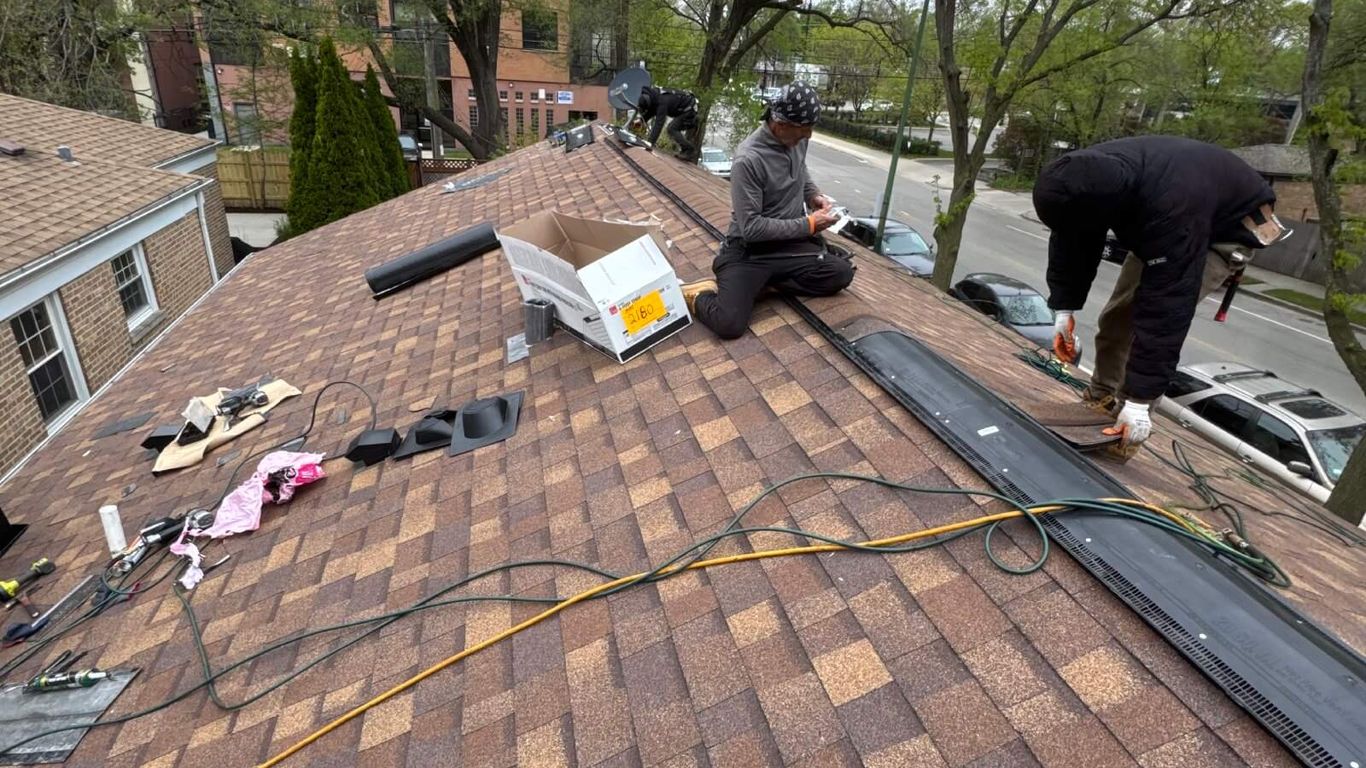
So, you’ve got a roof problem, and now you’re probably wondering about the damage to your wallet. It’s a big question, and honestly, there’s no single number that fits every situation. The cost of fixing your roof can really swing depending on a bunch of things.
Factors Influencing Repair Expenses
Several things play a role in how much you’ll end up paying. First off, the size of the damaged area is a big one. A small patch is obviously going to cost less than redoing a whole section. Then there’s the type of material your roof is made of. Shingles are generally less expensive than, say, metal or tile. The complexity of the repair also matters – is it a simple shingle replacement, or does it involve fixing flashing, underlayment, or even structural damage in the attic?
- Severity of Damage: Minor leaks versus widespread water intrusion.
- Roofing Material: Asphalt shingles, metal, tile, etc.
- Area Size: Small patch versus a larger section needing repair.
- Labor Costs: Varies by region and contractor.
- Accessibility: Steep roofs or hard-to-reach areas can increase labor time.
The average cost for roof repairs can range from a few hundred dollars to a couple of thousand. It’s not just about the materials; the skill and time it takes for the crew to do the job right are significant factors. Getting a few quotes is always a good idea to get a feel for the market rates in your area.
Insurance Coverage for Roof Damage
This is where things can get a bit tricky, but also potentially helpful. Your homeowner’s insurance might cover some or all of the costs, especially if the damage wasn’t caused by poor maintenance or just old age. Things like storm damage from wind or hail, or damage from a fallen tree, are often covered. It’s really important to check your specific policy and understand what’s included. Sometimes, there’s a deductible you’ll have to pay first, and the insurance company might depreciate the cost of older materials. You’ll want to document everything, take pictures, and keep all your receipts. If you’re unsure, give your insurance agent a call. You can also look up reviews for local contractors on platforms like [Google My Business](https://www.angi.com/articles/how-much-do-roof-repairs-cost.htm) to see if they have experience working with insurance claims.
Financing Options for Urgent Repairs
When an emergency hits, you might not have the cash readily available. That’s where financing comes in. Many roofing companies offer payment plans or work with third-party lenders to help homeowners spread out the cost. These options can make a big repair more manageable. You might find options for:
- Payment Plans: Directly through the roofing company.
- Home Equity Loans: Using your home’s equity.
- Personal Loans: From banks or credit unions.
- Specialty Financing: Offered by some roofing contractors.
It’s always a good idea to ask potential contractors about financing options upfront. Understanding the terms, interest rates, and repayment schedules is key before you commit. This way, you can get your roof fixed without putting yourself in a financial bind.
Thinking about fixing your roof? The cost can change a lot depending on what needs to be done. We break down the main things that affect the price, like the type of damage and the materials used.
Want to know more about what goes into roof repair expenses? Visit our website for a complete guide and to get a personalized quote!
Don’t Wait, Protect Your Home
Dealing with a damaged roof is never fun, and putting it off can make things way worse. Remember, a small leak now could mean big problems later, like water damage or even structural issues. It’s always better to get it checked out sooner rather than later. If you’re unsure about the condition of your roof, or if you’ve noticed any signs of trouble, reaching out for a professional inspection is a smart move. Companies like HomeBuild Roofing offer free inspections and can help you figure out the best plan, whether it’s a simple fix or a full replacement. Taking care of your roof means taking care of your home and your peace of mind. So, don’t delay – get that roof looked at and keep your home safe and sound.
Frequently Asked Questions
What are the biggest signs that my roof needs urgent repair?
Look out for things like water stains on your ceiling or walls, drips coming from the ceiling, or even seeing daylight through your roof. If you notice missing or damaged shingles after a storm, or if you hear strange noises from your attic, it’s time to call for help right away.
How quickly can an emergency roofer come to my house?
Reputable emergency roofing companies understand that time is critical. Many offer 24/7 service and aim to get to your home as soon as possible, often within a few hours of your call, especially if there’s a severe leak or storm damage.
What’s the difference between a regular repair and an emergency repair?
An emergency repair is for sudden, serious problems that can’t wait, like a big leak that’s causing immediate damage to your home’s interior or structure. Regular repairs can usually be scheduled for a later date when the issue is less urgent.
Can I fix a small leak myself?
While you might be able to put a temporary bucket under a small drip, it’s best to let professionals handle roof repairs. They have the right tools and knowledge to fix it properly and safely, preventing bigger problems down the road.
How much does an emergency roof repair usually cost?
The cost can vary a lot depending on what’s wrong, how bad it is, and the materials needed. Emergency services might cost a bit more due to the urgency. Always get a clear estimate before work begins, and check if your home insurance covers the damage.
What should I do after the emergency repair is done?
Once the repair is finished, make sure the work area is clean. Keep an eye on the repaired spot to ensure it’s holding up well. It’s also a good idea to schedule a follow-up inspection to make sure everything is sealed and secure for the long run.